Exfoliating is a popular step for smoother-looking skin, but more is not better. Here is how enzyme cleansers and mild acids work, how often you should exfoliate your face, and the signs that you are overdoing it.
What does exfoliating actually do?
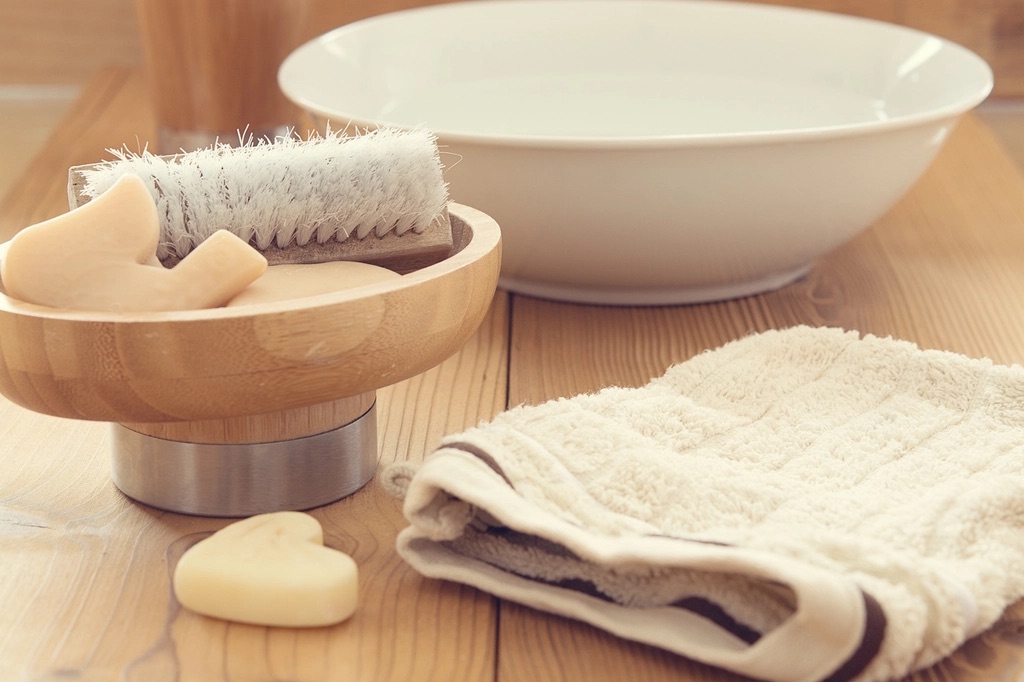
Exfoliating removes dead skin cells from the outer layer of your skin. Some people find it improves how their skin looks, but it does not suit everyone, and done badly it can do more harm than good. You can exfoliate mechanically, with a scrub, brush or sponge, or chemically, with ingredients that dissolve dead cells. American Academy of Dermatology — Exfoliating at home
How do enzyme cleansers and acids differ?
Enzymes. Enzyme exfoliation uses protein-digesting enzymes, usually papain from papaya and bromelain from pineapple, which break down the proteins holding dead surface cells together. How strongly a product works depends on its formula and storage, and labels rarely say how active the enzymes are. Białkowski 2022 — Enzyme peel products
Acids. Alpha hydroxy acids (AHAs), such as glycolic and lactic acid, loosen the bonds between dead surface cells. How much they exfoliate depends on the acid, its strength, the product's pH and how long it stays on your skin, so a wash-off cleanser and a leave-on serum behave differently. US FDA — Alpha hydroxy acids Tang & Yang 2018 — AHA review
How often should you exfoliate your face?
There is no single right number: it depends on your skin type and the method. The stronger the exfoliation, the less often you need it, and overdoing it can leave skin red and irritated. Tips from the American Academy of Dermatology:
- Dry or sensitive skin may do better with a soft washcloth and a mild chemical exfoliant than with scrubs or brushes; oily, thicker skin may tolerate more.
- With darker skin, or dark marks after spots, burns or insect bites, avoid strong exfoliation, as it can leave more dark spots.
- Be gentle, rinse with lukewarm water and moisturise afterwards.
- Skip sunburnt skin and skin with cuts.
- Using a prescription retinoid, or a product with retinol or benzoyl peroxide? Exfoliating as well can worsen dryness or trigger breakouts, so check with your prescriber or pharmacist first.
Use one exfoliating product at a time, following its label, and add another only once your skin is settled: irritation usually builds up from several mild irritants together. DermNet — Sensitive skin US FDA — Alpha hydroxy acids
How do you know you are over-exfoliating?
Over-exfoliated skin is irritated skin. Irritation from repeated exposure usually starts with dryness and cracking, then redness and itch, and it often burns more than it itches. DermNet — Irritant contact dermatitis Watch for stinging or burning, even with gentle products; redness, flaking or peeling; and sore or itchy skin. DermNet — Sensitive skin
If you notice these, stop exfoliating and keep to a soap-free cleanser, a fragrance-free moisturiser and sun protection. DermNet — Sensitive skin Irritation from a product should slowly settle once you stop using it. Healthdirect — Contact dermatitis If it doesn't, see your GP.
Why does sunscreen matter when you exfoliate?
AHAs can make skin more sensitive to the sun: in US FDA studies, skin reddened more easily under UV after four weeks of an AHA cream, returning to normal within a week of stopping. The FDA advises sun protection while you use an AHA product and for a week afterwards. US FDA — Alpha hydroxy acids
Cancer Council recommends a broad-spectrum, water-resistant SPF 50 or 50+ sunscreen every day the UV index is forecast to reach 3 or above, used with clothing, a hat, shade and sunglasses. Cancer Council — Preventing skin cancer
When to see your GP or dermatologist
See your GP if:
- a rash, redness or peeling does not settle after you stop the product, or you are worried about it Healthdirect — Contact dermatitis
- your skin becomes very itchy, swollen or blistered, which can be an allergic reaction, or a rash comes with a fever or feeling unwell Healthdirect — Contact dermatitis
- breakouts are severe, worrying you or not improving with what your pharmacist recommended, as untreated acne can leave scars Healthdirect — Acne
Our sensitive skin guide explains more about skin that reacts easily, and our post on acne management covers gentle everyday care alongside medical treatment.
What can we talk about at Melbourne Wellness?
At an advanced skin analysis appointment we can look at your skin with you, go through what you already use and talk about whether you need an exfoliant at all, and how often. If anything needs a medical opinion, we will say so. Thinking about a facial instead? See our questions to ask before choosing a facial.
Our shop has three Osmosis products with exfoliating ingredients. Purify is an enzyme cleanser with papain and bromelain (which Osmosis cleanser suits you?). Balance is an activating mist with mandelic and lactic acids, made for oily, congested skin (how to use an activating mist). Clarify is a serum that pairs retinal, a form of vitamin A, with the same two acids, made for oily, congested, blemish-prone skin. Start with one, and add another only if your skin stays comfortable. DermNet — Sensitive skin Prescription vitamin A creams such as tretinoin should not be used in pregnancy, and MotherSafe's factsheet does not mention retinal, so if you are pregnant, breastfeeding or planning a pregnancy, check with your doctor, pharmacist or MotherSafe before starting a retinal serum. MotherSafe — Skin care in pregnancy