Vitamin A goes by several names on skincare labels, so comparing retinal vs retinol can feel like a chemistry lesson. Here is how the forms differ, how to start a vitamin A serum without upsetting your skin, and what to know about sun, pregnancy and when to see your GP.
Retinal vs retinol: what is the difference?
Retinol, retinal and retinoic acid are all forms of vitamin A, and they are steps in one chain. Skin converts retinol into retinal (short for retinaldehyde), and retinal into retinoic acid, so retinal is one step further along that chain. Mukherjee et al. 2006 — Retinoids and skin ageing, a review
Retinoic acid is also called tretinoin. Tretinoin, adapalene and isotretinoin are retinoid medicines that need a doctor's prescription, while retinol and retinal are forms commonly added to cosmetics. DermNet — Topical retinoids Healthdirect — Acne
Tretinoin is the most studied retinoid, and among the most irritating. Retinol and retinal have been studied less, but in the research reviewed they were considerably less irritating. Whatever the form, most studies of vitamin A creams ran for months, not days. Mukherjee et al. 2006 DermNet — Topical retinoids
Retinyl esters such as retinyl palmitate also turn up on labels. They are more stable, but in one 48-week trial a retinyl propionate cream showed no clear benefit over a placebo cream. Mukherjee et al. 2006
How do I start retinol or retinal without irritation?
Dryness, redness, flaking, itching and stinging are the most common reactions to vitamin A on skin, and they usually appear in the first few weeks. Mukherjee et al. 2006 DermNet — Topical retinoids
A slow start helps:
- Try a new product on a small area first, and introduce one new product at a time. DermNet — Sensitive skin
- Choose the gentlest formula, use it every second night to begin, and build up slowly. American Academy of Dermatology — Retinoid or retinol?
- Apply it in the evening, and keep it away from your eyes and lips. DermNet — Topical retinoids
- Use a moisturiser to help with dryness. DermNet — Topical retinoids
- Hold off on scrubs and exfoliating acids while your skin adjusts, as they are common irritants. DermNet — Sensitive skin
- If your skin feels sore or tight, use it less often or switch to a gentler form. Mukherjee et al. 2006
On darker skin tones, irritation can leave dark marks, so a slow start and a moisturiser matter even more. American Academy of Dermatology
If your skin often reacts to products, our sensitive skin guide is a good place to begin. Our step-by-step routine guide can help you review your routine before you add something new.
Do I need sunscreen with vitamin A?
Yes. Vitamin A can make skin more sensitive to the sun, which is one reason it is usually applied in the evening. DermNet — Topical retinoids American Academy of Dermatology
A serum does not replace sunscreen. Cancer Council recommends sunscreen every day when the UV Index is forecast to reach 3 or above, as part of your morning routine: SPF 50 or 50+, broad-spectrum and water-resistant, used with clothing, a hat, shade and sunglasses. Cancer Council — Preventing skin cancer
Can I use a vitamin A serum when pregnant or breastfeeding?
MotherSafe, the NSW medications in pregnancy and breastfeeding service at the Royal Hospital for Women, says prescription vitamin A creams such as tretinoin should not be used in pregnancy. Its factsheet does not mention retinal, so if you are pregnant, breastfeeding or planning a pregnancy, check with your doctor, pharmacist or MotherSafe before starting a retinal serum. MotherSafe — Skin care and cosmetic treatments in pregnancy and breastfeeding
When to see your GP or dermatologist
See your GP if:
- redness, stinging or peeling does not settle after you stop the product Healthdirect — Contact dermatitis
- your skin becomes very itchy, swollen or blistered, which can be an allergic reaction, or a rash comes with a fever or feeling unwell Healthdirect — Contact dermatitis
- breakouts are severe, upsetting you or not improving with what your pharmacist suggests Healthdirect — Acne
Acne can leave scars. Your GP can talk about prescription options, including retinoid medicines, and refer you to a dermatologist if needed. Healthdirect — Acne Our post on acne management covers gentle everyday care alongside medical treatment.
What can we talk about at Melbourne Wellness?
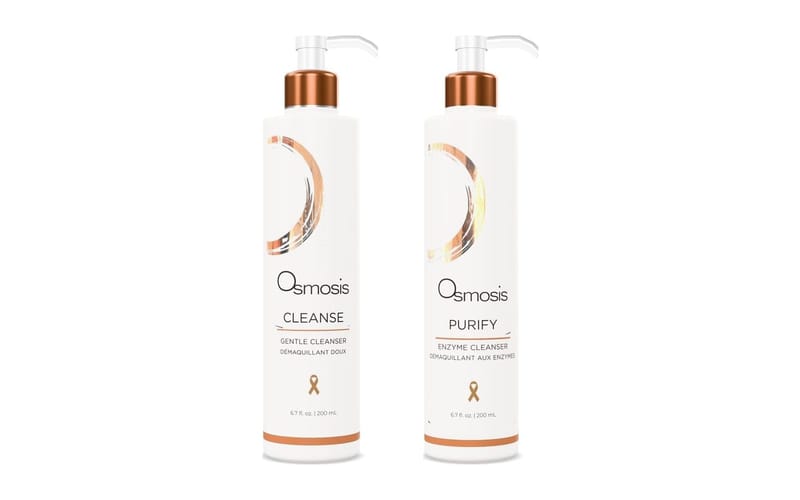
At the clinic we can look at your current routine and products with you, talk about whether vitamin A suits your skin, and plan a gentle way to start. If anything needs a medical opinion, we will say so and suggest you see your GP. The treatment menu also includes an Osmosis Vitamin A Infusion; ask us whether it suits your skin.
Questions you might bring:
- Which form of vitamin A suits my skin, and at what strength?
- How often should I use it at first?
- Which of my products should I pause while my skin adjusts?
- Which sunscreen suits my skin?
- What signs mean I should stop and see my GP?
If you would like to try a retinal serum, our shop has four from Osmosis. Calm is its gentle retinal serum, and Correct is a step up from Calm. Renew MD is Osmosis's highest-strength retinal (skin consultation recommended). Clarify combines retinal with two alpha hydroxy acids, mandelic and lactic acid, and is made for oily, congested, blemish-prone skin. Our post on choosing between Calm, Correct and Renew MD compares the three. Whichever you choose, start slowly. American Academy of Dermatology